Where it comes from
- Early environments where feelings were dismissed, punished, or unpredictable
- Caregivers who were sometimes there and sometimes gone
- Trauma that taught the body to stay braced
- A naturally sensitive temperament in a world that asked you to be less
- Family and cultural rules about which emotions were allowed
BPD isn't a life sentence. It's a set of learned responses — and what was learned can be relearned.
How therapy helps.
Skills first, then the story
We start with DBT-informed skills you can use this week: noticing an emotion before it peaks, riding out distress without acting on it, and asking for what you need without blowing up the relationship to get it. Once the days feel more manageable, we go deeper into where the patterns came from and what they were protecting.
A relationship you can count on
For many people with BPD, the therapy relationship is the first one that stays steady through the hard parts. We'll be consistent, honest with you, and willing to repair when something goes wrong between us. That experience, repeated, is a large part of how the work happens.
When trauma is part of the picture
Borderline traits often grow out of early trauma. When that's the case, EMDR with Tina can help the body let go of what it's been bracing against, so the skills have less to fight.
Sliding scale spots are currently open with Laila Siddiqui, MHC-I for clients located in New York — you choose what you can pay, from $30 to $80 per session. See fees & insurance.
Related: Relationship Issues · Identity & Self-Esteem · EMDR & Trauma · Adolescent Therapy
If you're in crisis or thinking about hurting yourself, call or text 988 (Suicide & Crisis Lifeline) or go to your nearest emergency room. Our practice is outpatient and isn't set up for emergencies, but we'll help you find the right level of care.
Who you'll work with.

Mental Health Counselor with a particular interest in BPD. Works with teens and young adults in New York, under the clinical supervision of Tina Liu, LMHC-D. Sliding scale spots available.
About Laila →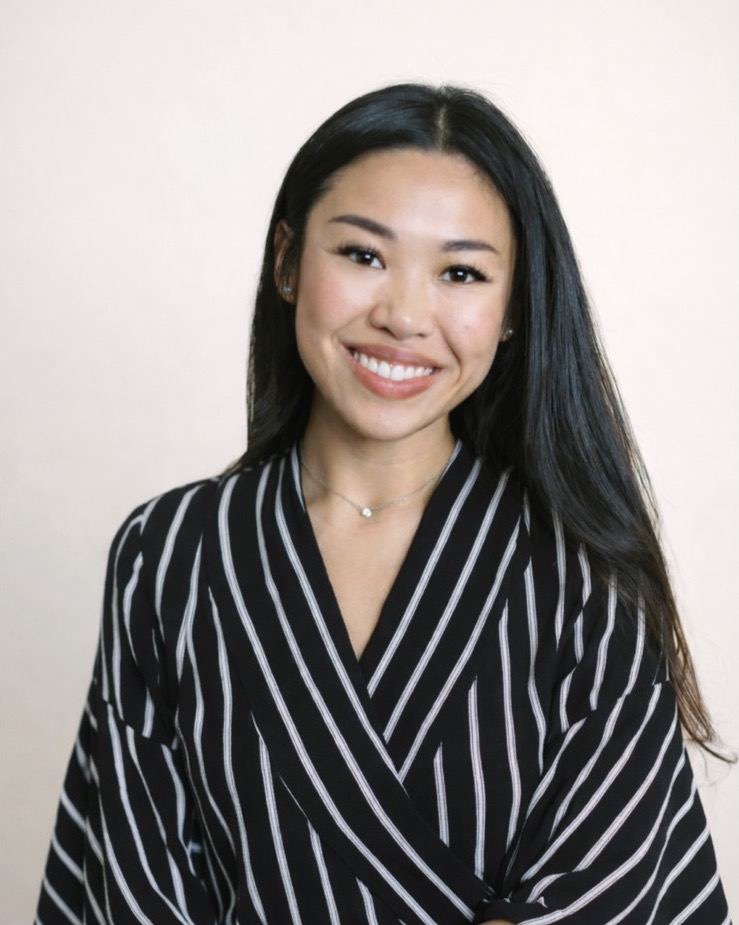
Founder & psychotherapist. EMDR-trained, culturally attuned, licensed in New York & Florida.
About Tina →Our clinical team is growing — new therapists joining soon.
Not sure where to start? Send us a note and we'll figure it out together.