What contributes to anxiety?
- Growing up with high expectations or unpredictability
- Early experiences where safety felt conditional
- Perfectionism learned as a survival strategy
- Chronic stress that never had a chance to discharge
- Family patterns of worry passed down quietly
Anxiety is a learned response — and what was learned can be unlearned, gently and at your pace.
How therapy helps.
How we work with anxiety
We start by understanding what your anxiety is actually doing and what it's trying to protect you from. From there, we use talk therapy and, where appropriate, EMDR to address the underlying experiences that keep it running.
We're working on the root. That might mean looking at early experiences that shaped how you understand safety, or at the relationship between your anxiety and your sense of self-worth. The goal is lasting change.
What you can expect
Within the first couple of months, you'll start to notice more space between you and the anxious response, more choice, less reactivity, and a growing ability to sit with uncertainty without it taking over.
Sliding scale spots are currently open with Laila Siddiqui, MHC-I for clients located in New York — you choose what you can pay, from $30 to $80 per session. See fees & insurance.
Related: Depression · Life Transitions · Therapy for Therapists · Identity & Self-Esteem · ADHD
Who you'll work with.

Founder & psychotherapist. EMDR-trained, culturally attuned, licensed in New York & Florida.
About Tina →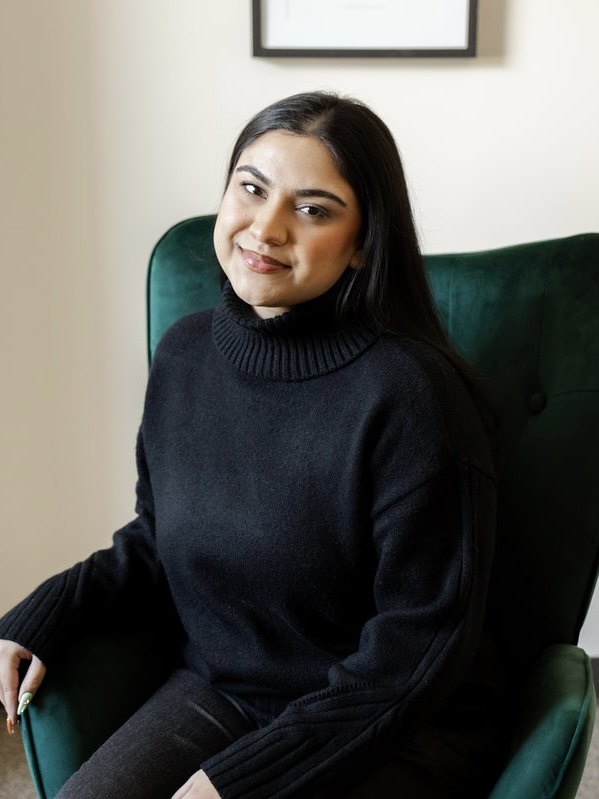
Mental Health Counselor. Works with teens and young adults in New York, under the clinical supervision of Tina Liu, LMHC-D. Sliding scale spots available.
About Laila →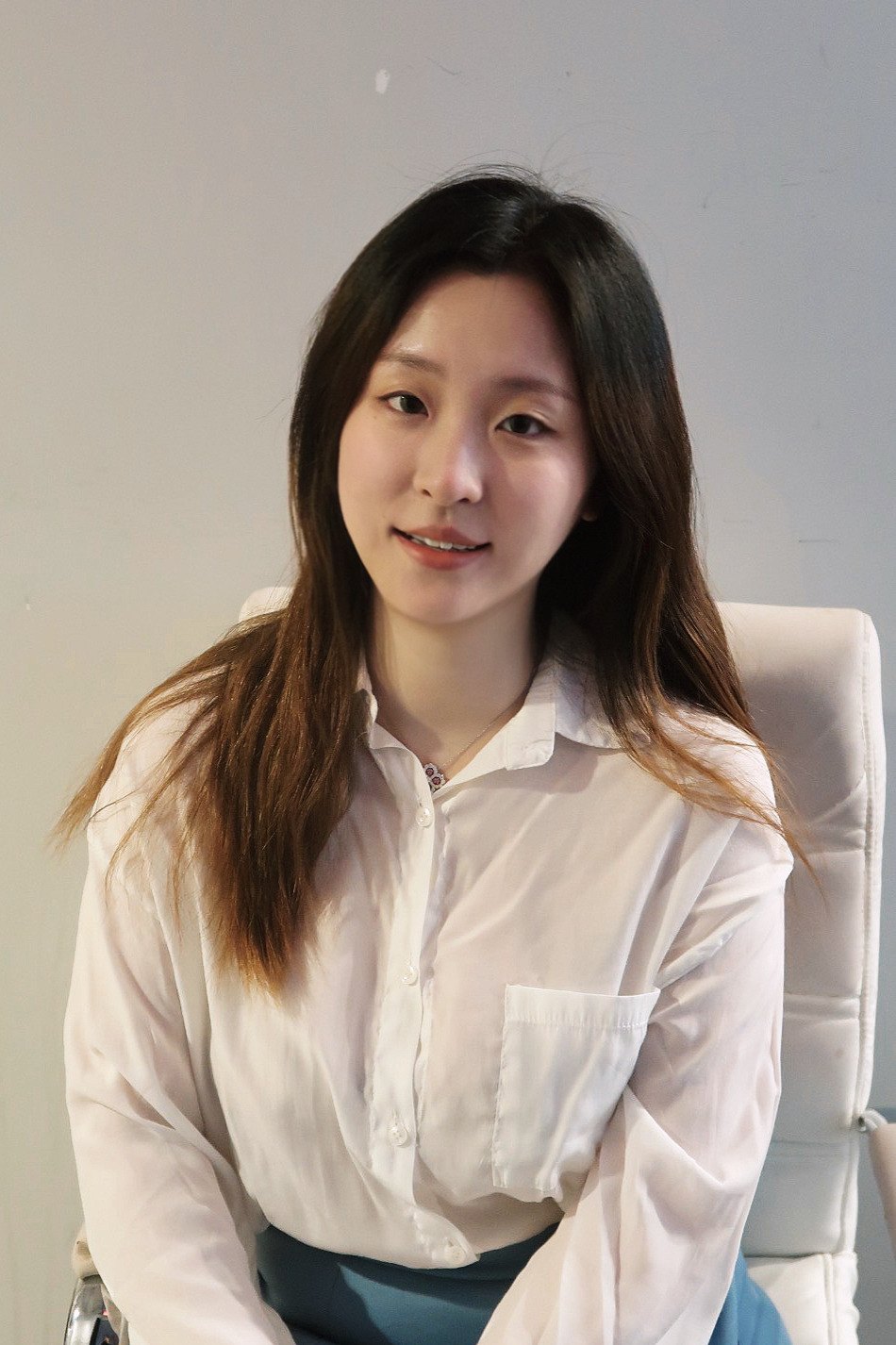
Mental Health Counselor. Works with adolescents and young adults in New York, in English and Mandarin, under the clinical supervision of Tina Liu, LMHC-D.
About Junli →Our clinical team is growing — new therapists joining soon.
Not sure where to start? Send us a note and we'll figure it out together.